


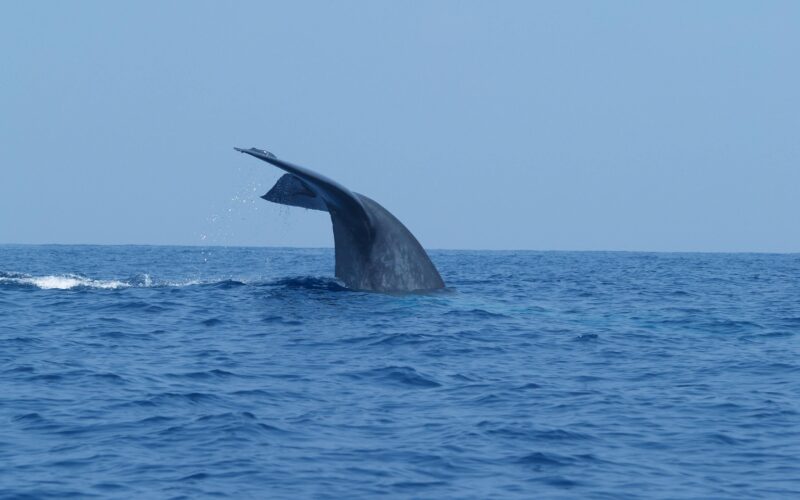
Whale watching in Mirissa isn’t a polished attraction or a guaranteed show. It’s an early morning start, salty air, long stretches of open ocean and three-to-five-hour journey, if you’re lucky, a moment where the sea breaks and a blue whale slowly surfaces beside your boat.
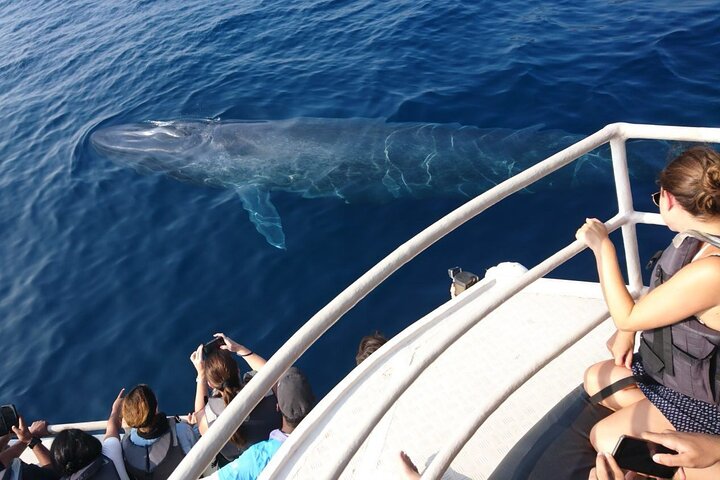
That unpredictability is exactly why people remember it. This guide isn’t here to sell you a tour. It’s here to help you decide whether it’s right for you.
Is Whale Watching in Mirissa Worth It?
Yes — but only under the right conditions.
Whale watching in Mirissa is worth it between December and April, when calm seas and deep offshore waters bring blue whales close to the southern coast.
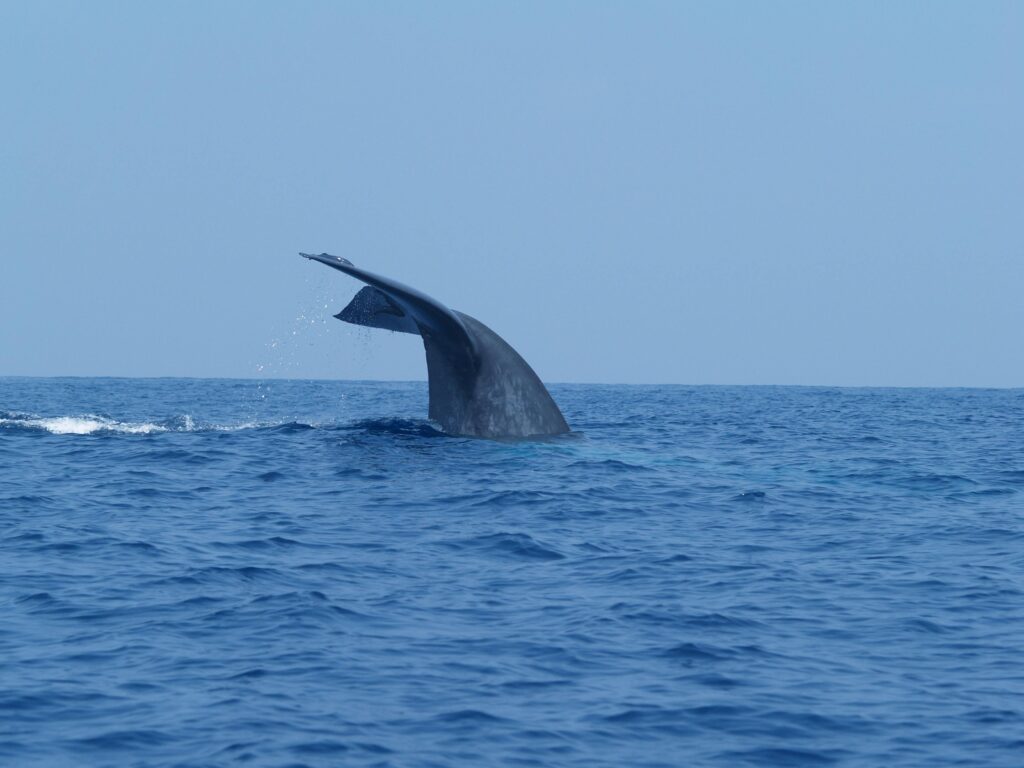
Sri Lanka is one of the best places in the world to spot the blue whale, the largest mammal ever to live on Earth, reaching lengths of up to 30 meters. Thanks to the steep continental shelf near the southern coastline, these giants can often be seen surprisingly close to shore, making Mirissa a unique and accessible whale watching destination in the world.
That said, it’s not for everyone.
You’ll enjoy it if you:
- Like wildlife experiences and surprises, not guarantees
- Can handle a few hours at sea without been sea sick
- Are okay with early mornings and waiting
- Ready to enjoy a 3-5h sea journey on a boat
You may want to skip it if you:
- Get severe motion sickness
- Expect whales to appear constantly
- Prefer comfort over nature
- And not ready to spend half a day at sea
Some days are incredible. Other days are slow, quiet, and tiring. That’s the reality of wildlife travel.
What Whales Can You Actually See in Mirissa?
Mirissa is famous because blue whales the largest animals to ever exist pass close to shore during the season. Not only whales there’s really high chance to witness group of dolphins near to the shore.
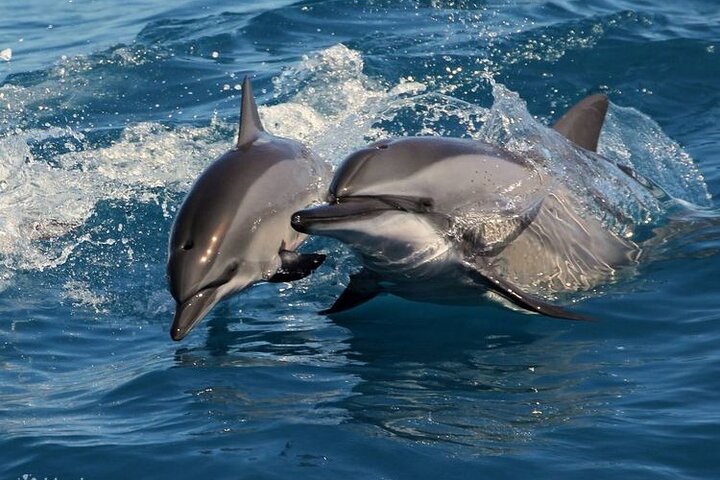
Depending on the day, you may see:
- Blue whales (the main reason people come)
- Sperm whales, usually farther offshore
- Bryde’s whales, less common
- Dolphins, often in playful groups near the boat
- Turtles and Sharks can also be spotted sometimes
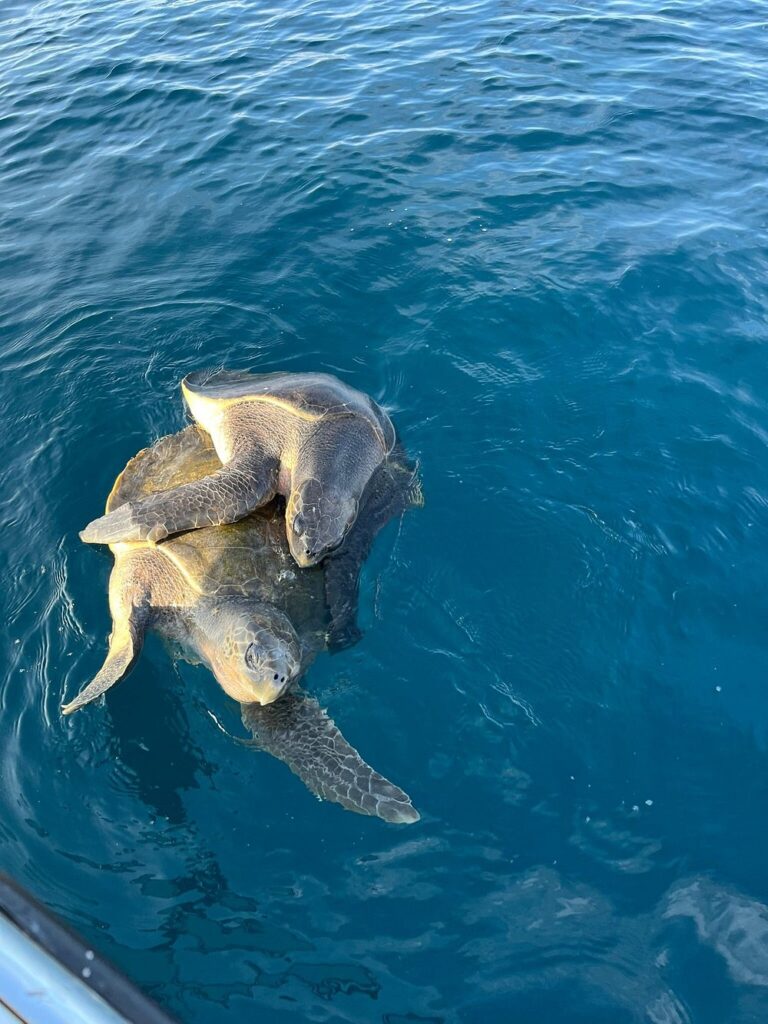
On calm mornings, sightings sometimes happen within the first hour. On rougher days, it can take much longer patience matters.
Best Time for Whale Watching in Mirissa
The best season for whale watching in Mirissa is from December to April. During this period, ocean conditions along Sri Lanka’s southern coast are ideal, giving travelers the highest chance of spotting blue whales and sperm whales.
If you’re visiting Sri Lanka outside this season, you still have a great alternative. From May to September, whale watching shifts to Trincomalee, on the island’s east coast.
Why December to April is best season in Mirissa
During these months:
- Seas are calmer
- Visibility is better
- Boats can safely travel farther offshore
Best time of the day is early morning. Locals usually avoid afternoon departures because the sea tends to get choppier as the day warms up.
Quick tip: Plan your whale watching based on Sri Lanka’s monsoon seasons Mirissa (Dec–Apr) and Trincomalee (May–Sep) together offer near year-round whale watching opportunities.
What the Whale Watching Season Feels Like (Month by Month)
- November: Season begins, sightings possible
- December – March: Peak season, best overall conditions
- April: Still good, but weather can change quickly
- May – October: Most tours stop operating
Outside the season, cancellations are common and for good reason.
Where Tours Start & What the Morning Is Like
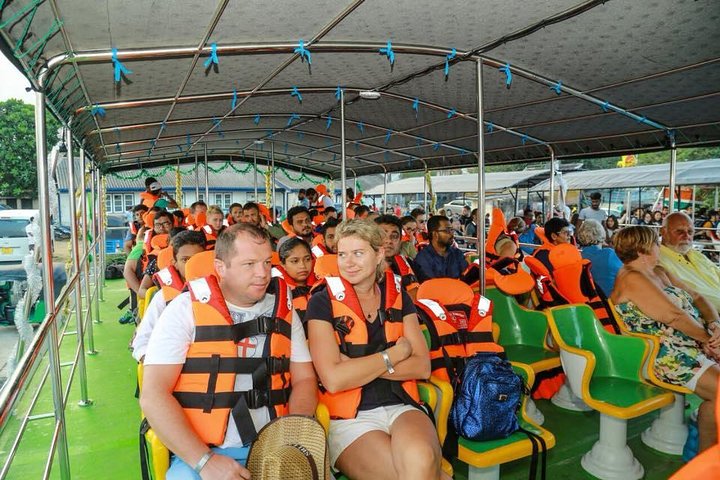
Most tours leave from Mirissa Harbour.
Expect:
- A very early start (around 6:00 AM)
- A quiet harbour before sunrise
- Boats filling quickly with travelers and crews
- Light refreshments, depending on the operator
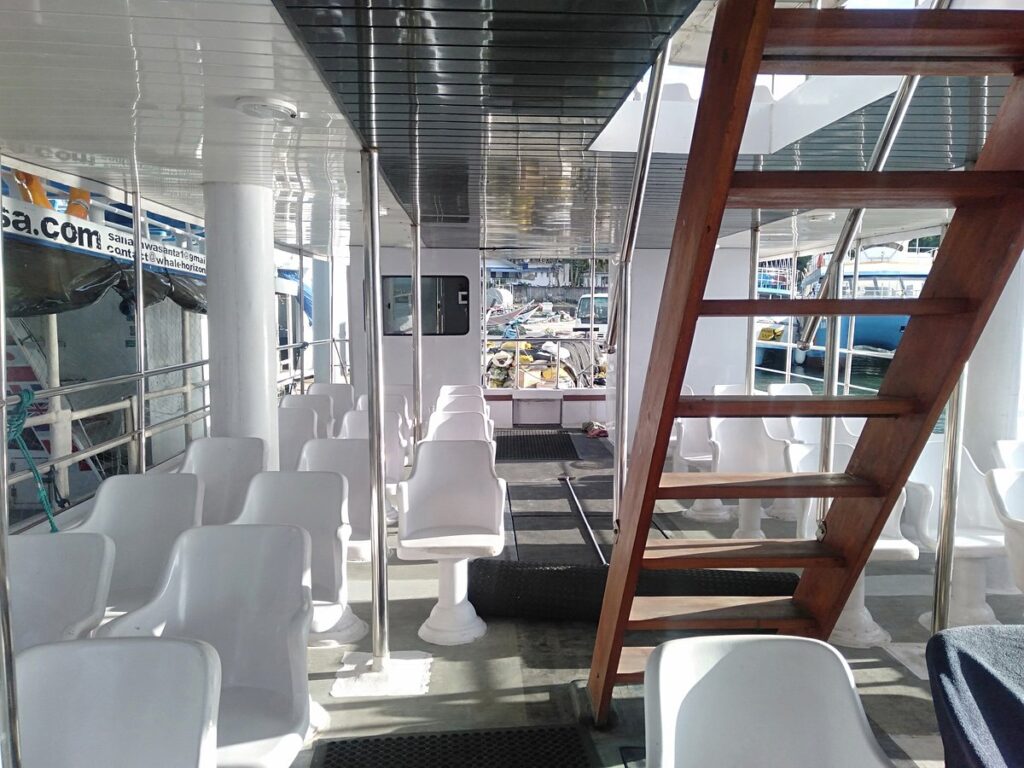
The trip usually lasts 3–5 hours. You’ll spend a lot of that time scanning the horizon that’s normal. However, in a very lucky day journey can be ends in 1-2 hours with good memories.
How Much Does Whale Watching in Mirissa Cost?
Typical prices in 2026:
- LKR 18,000 – 25,000 per foreign person
- Around USD $50 – $80 depending of time and the boat
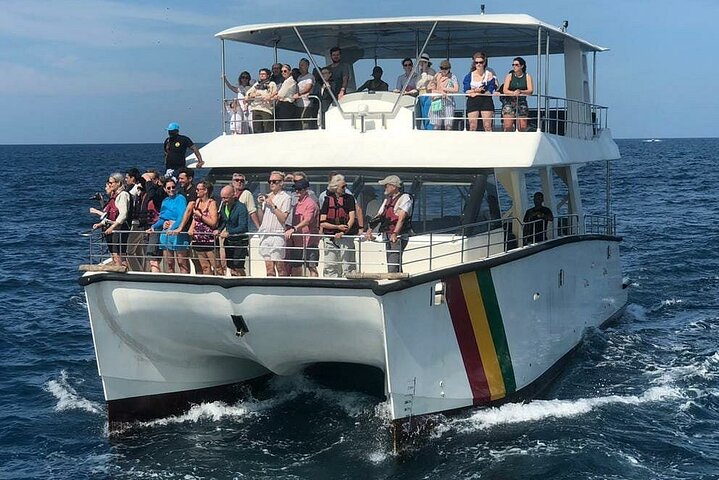
If you would like to book a private group boat tour that can be cost around $500 – $800
Usually, this ride includes:
- Crew and guides
- Simple breakfast or food
- Seasickness tablets
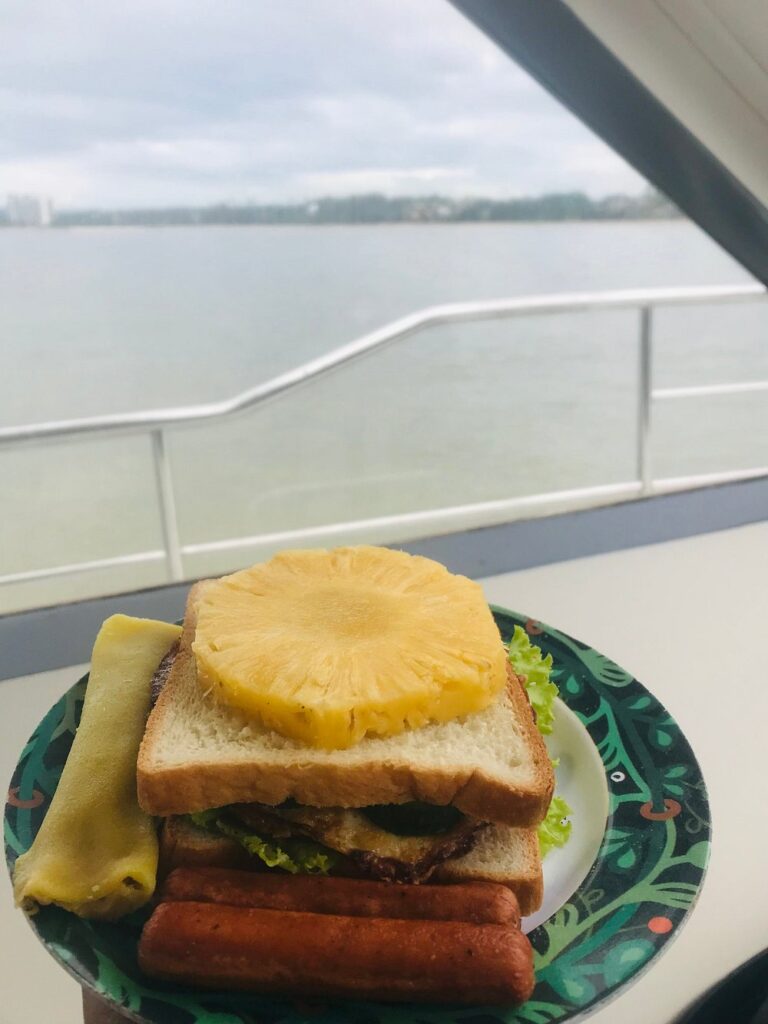
Cheaper tours aren’t always better. Safety, boat condition, and crew experience matter more than saving a few dollars.
Is Whale Watching in Mirissa Ethical?
he short answer: it depends on the operator and the conditions on the day.

Whale watching in Mirissa is highly competitive. Boats operate in the same offshore areas, and once a whale is spotted, information is often shared between operators. This can sometimes lead to crowding, view blocking, chasing or boats approaching too quickly, especially when everyone is trying to give passengers a brief look at the whale.
That said, there are responsible operators who try to minimize disturbance.
Responsible whale watching operators:
- Keep a safe distance from whales
- Avoid chasing or crowding
- Do not surround whales with multiple boats
- Cut engines when whales surface nearby
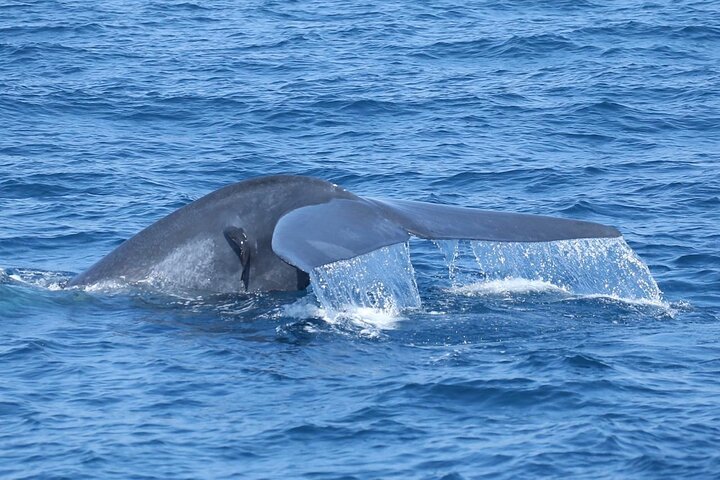
Most tours spend 3–5 hours at sea searching large areas of open ocean. Even on good days, sightings can be brief. Often, passengers may only see:
- A tail fluke from a distance
- A spout (water spray) on the horizon
- One or two short surfacing moments
Once a whale surfaces, it usually stays visible only for a short time before diving again. It may take 10–15 minutes or more to resurface, and operators typically try to show passengers two or three surfacing moments before returning to port.
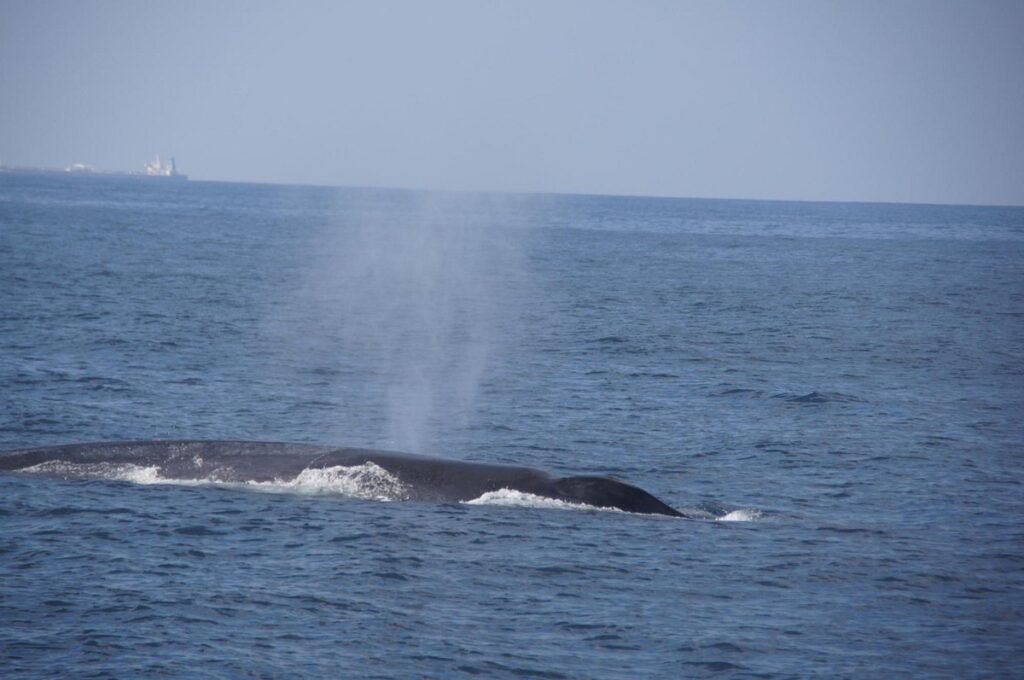
Seeing a whale up close requires a lot of luck. Many visitors leave satisfied with distant views and some leave without seeing a whale at all.
Even if no whale is spotted, refunds are generally not offered, as the cost covers fuel, crew, and time at sea rather than guaranteed sightings.
Choosing a responsible operator and setting realistic expectations is the key to an ethical and enjoyable experience.
Is Whale Watching in Mirissa Safe?
Generally yes, when conditions are right.
Most boats are licensed and registered with wildlife authority, and life jackets are standard. That said, the ocean can be rough.
We do not recommend this tour to:
- Pregnant womens’
- People who have serious back or balance issues
- Struggle badly with motion sickness
- Children’s under age 6
If the sea looks rough in the morning, skipping the tour is not a failure it’s a sensible decision.
What to Expect Once You’re Out at Sea
This is not a theme park.
You’ll experience:
- Long stretches of open water
- Periods of silence
- Heavy sea breezes with tides
- Sudden excitement when a whale surfaces
- Brief sightings rather than constant action
- Surrounded with motion sick people
Some days you’ll see multiple whales. Other days, you might only see dolphins and that’s still a good day on the ocean.
What to Wear & Bring (From Experience)
Wear:
- Light clothing
- A thin jacket (it gets windy)
- Shoes with grip
Bring:
- Sunscreen & sunglasses
- Hat or cap recommended
- Motion sickness tablets (take them early)
- Water
- A phone or camera with zoom
Additional Practical Tips:
- Leave heavy bags behind space on whale-watching boats is limited
- If you’re prone to motion sickness or noob, it’s best to avoid heavy meals before the trip
- Drink small sips of water rather than large amounts
- Focus your eyes on the horizon, not the moving sea this helps reduce nausea
Extra tip: Sitting near the middle of the boat provides better balance and a smoother ride. Lot of boats are designed with double deck, seating on the top deck can give you the maximize distance view.
Mirissa vs Trincomalee: Which Is Better for Whale Watching?
It’s not about better it’s all about timing.
Mirissa
- Best from December to April
- Easy if you’re on the south coast
- More popular, more boats
Trincomalee
- Best from May to September
- Fewer crowds
- Longer travel for most visitors
Choose the coast that matches when you’re in Sri Lanka.
Common Mistakes First-Time Visitors Make
- Booking afternoon tours
- Ignoring sea conditions
- Expecting guaranteed sightings
- Make accommodations in out of season
- Choosing operators purely by price
Whale watching rewards patience, not shortcuts.
Final Verdict: Should You Go Whale Watching in Mirissa?
If you’re visiting Sri Lanka in season and want a real wildlife experience, whale watching in Mirissa can be unforgettable. Not because it’s perfect but because it’s real and not an experience you can get everywhere in the world.
And there’s no guarantees that you’ll see a whale during this journey and it’s all about day and the luck, however it will definitely be memorable experience in your life.