



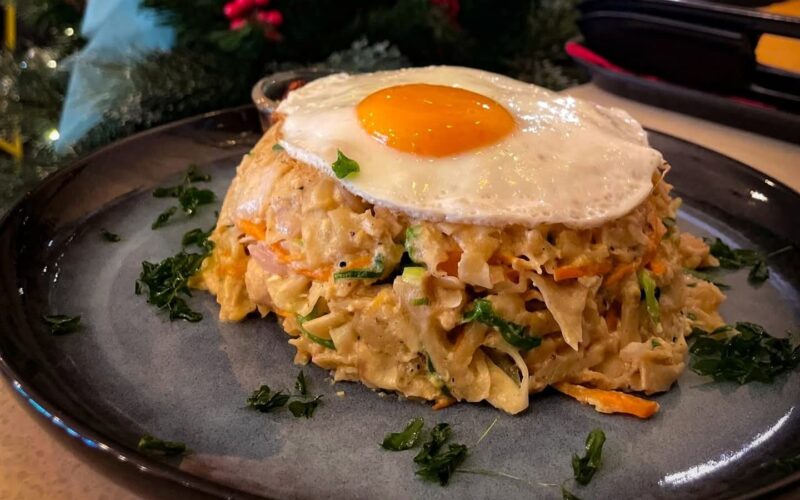
If there is one food that truly captures the energy of modern Sri Lanka, it is Kottu Roti.
Not because it’s fancy.
Not because it’s traditional in a ceremonial way.
But because it’s loud, comforting, spicy, messy, and deeply satisfying.
You don’t discover kottu quietly. You hear it first.
Takata-takata-takata.
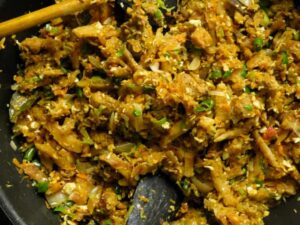
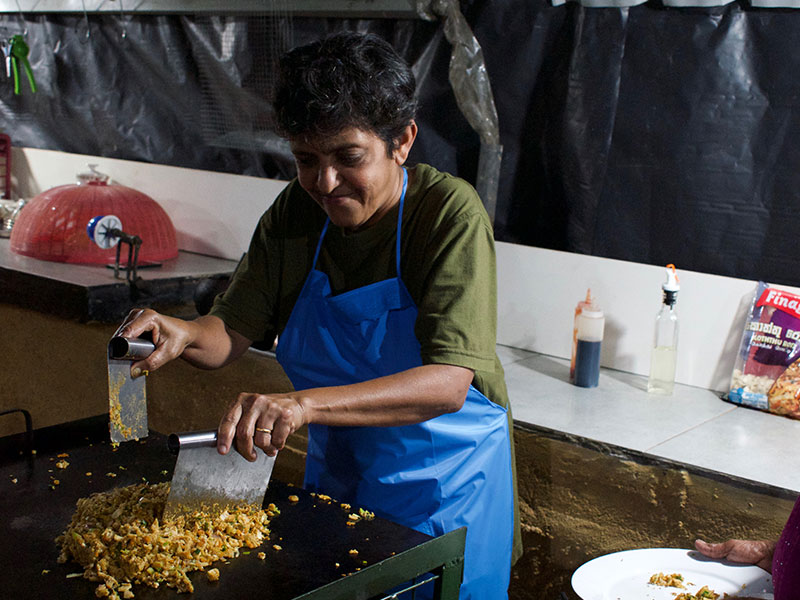
The sharp rhythm of metal blades hitting a hot iron plate. Steam rising. Gravy bubbling. Chopped roti soaking up spice and flavor in seconds.
For many Sri Lankans, the love for kottu begins after the first plate. The balance of heat, carbs, oil, and gravy creates a craving that keeps people coming back especially at night.
For travelers, kottu often becomes the most memorable food of the trip. Not polished, not staged for Instagram, but real, intense, and full of character.
This guide explains what Sri Lankan kottu roti really is, why locals love it so deeply, how spice and gravy change the experience, and how visitors can enjoy it the right way.
What Is Sri Lankan Kottu Roti, Really?
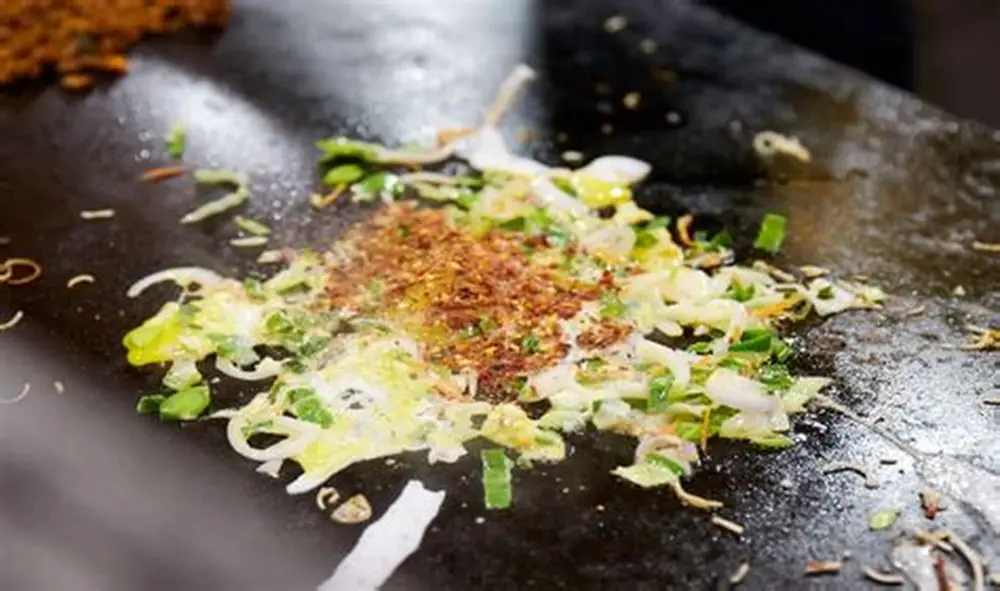
Kottu roti is not just a dish it is a live-cooked experience. Made by chopping godamba roti on a hot iron plate, kottu is mixed rapidly with vegetables, eggs, meat or seafood, spices, and often gravy. Everything is cooked fresh, in front of you, with the mix of sound, speed and heat.
Unlike many foods, kottu is never pre-made. Every plate is cooked to order. That’s why it tastes different depending on the cook, the place, and the moment.
Why People Fall in Love with Kottu After the First Bite
Kottu works because of balance.
- Soft chopped roti absorbs spice and gravy
- Heat builds gradually, not aggressively
- Oil, carbs, and spice create deep satisfaction
- Every bite feels slightly different
It’s filling without being overwhelming. Spicy without being harsh. Heavy, yet comforting.
For many Sri Lankans, kottu is the food they crave when they are tired, stressed, or hungry late at night. It’s not a meal you plan it’s a meal you want.
Takata-Takata: The Sound That Makes Kottu Kottu
Before you smell kottu, before you see it, you hear it.
Takata-takata-takata.
The rhythmic sound of metal blades hitting a hot iron plate travels through Sri Lankan streets after sunset. For locals, that sound means only one thing: kottu is being cooked nearby.
The noise isn’t accidental. Kottu is chopped fast, hard, and continuously. The blades lift, strike, and fold the roti again and again, mixing spice, gravy, and heat into every piece. Silence would feel wrong. A quiet kottu stall doesn’t exist.
For many Sri Lankans, that sound carries memory:
- Walking home late from work
- University nights with friends
- Roadside dinners after a long day
- Comfort food ordered without thinking
That takata-takata sound is why kottu feels alive. It’s cooked loudly, eaten hot, and remembered long after the plate is empty.
Dry Kottu vs Wet Kottu: Gravy Changes Everything
This is where kottu becomes personal.
- Dry kottu has little to no gravy. It focuses on spice, oil, and texture.
- Wet kottu includes curry or chicken gravy mixed in or served on the side.
Most locals prefer kottu slightly wet. Specially Chicken Gravy softens the spice, adds richness, and prevents the dish from feeling dry.
Gravy doesn’t reduce flavor it deepens it. If you’re unsure or afraid of spice, ask for gravy on the side and adjust as you eat.
Is Kottu Roti Spicy?
Yes, kottu can be spicy but it is fully customizable. Just ask for it.
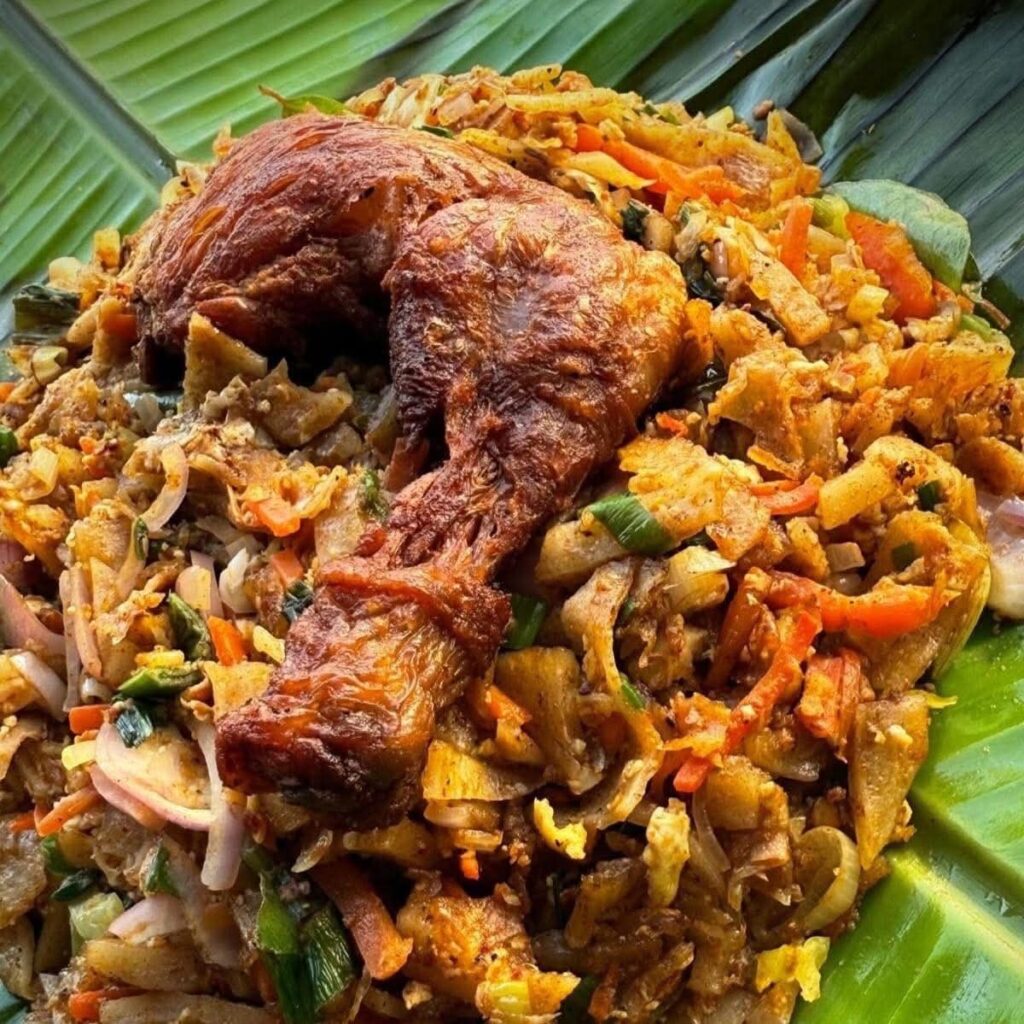
Chicken and beef kottu tend to be spicier
- Chicken and beef kottu tend to be spicier
- Egg and cheese kottu are milder
- Asking for “less spicy” is completely normal
The spice in kottu usually builds gradually rather than hitting all at once, making it enjoyable even for first-time visitors.
Popular Kottu Roti Variants You’ll See in Sri Lanka
- Chicken Kottu – The most common and safest choice for first-timers. Balanced, flavorful, and widely available.
- Vegetable Kottu – If you’re vegetarian you can still enjoy the kottu, specially in Sri Lankan Tamil community and Indian restaurants vegetarian version of the kottu is served often with mixed paneer.
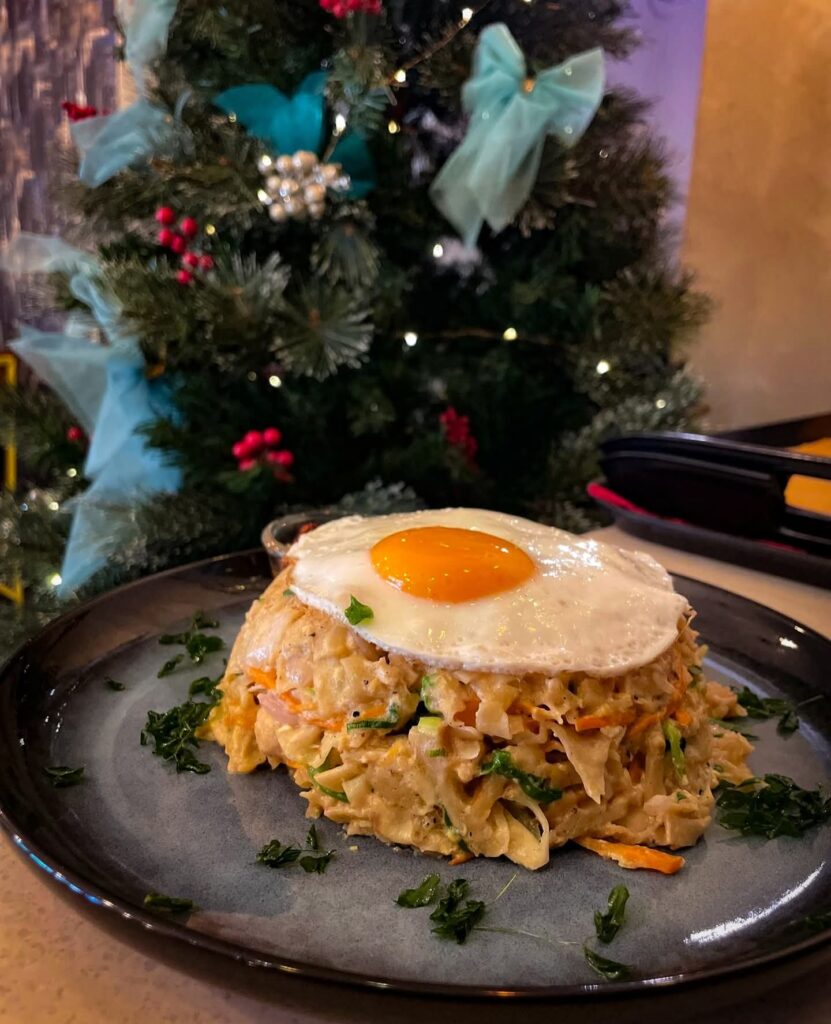
- Cheese Kottu – Cheese kottu is one of the most popular modern variations of kottu, especially among young Sri Lankans and those who prefer a milder, creamier dish. Prepared by mixing chopped roti with melted cheese, vegetables, eggs or chicken, and gentle spices, cheese kottu softens the heat and adds a rich, comforting texture. Cheese kottu is often the go-to choice for first-time visitors, late-night cravings, and anyone sensitive to strong chili heat while still wanting the full kottu experience.
- Dolphin Kottu – In Sri Lanka, “dolphin” refers to a soft parotta-style flatbread, not seafood. Dolphin kottu is known for its rich, creamy texture and is very different from regular kottu made with godamba roti. Instead of dry chopped roti, dolphin kottu is prepared using soft Sri Lankan parotta, mixed with fresh milk and spices to create a smooth, comforting base. Some traditional restaurants also add a small amount of curd, giving the dish a gentle tang and extra creaminess.
- Seafood Kottu – Usually made with prawns or cuttlefish. Best ordered in coastal areas.
- Beef Kottu – Bold and often spicier, with darker gravies and deeper flavor.
- String Hopper Kottu (Idiyappam Kottu) – String hopper kottu is a softer, lighter variation made using string hoppers (idiyappam) instead of godamba roti. Because string hoppers absorb gravy easily, this version is usually wetter, milder, and more delicate in texture. It’s commonly prepared with vegetables, egg, or chicken and is especially popular among those who prefer a less oily, less spicy meal.
When and How Sri Lankans Eat Kottu
Kottu is usually eaten:
- For dinner
- Late at night
- After work or social outings
It is often shared, eaten hot, and enjoyed casually. Kottu is not rushed it is comfort food.
Is Kottu Safe for Tourists?
Generally, yes: Also, it’s a must experience to try out.
- Kottu is cooked fresh at high heat
- Busy places with high turnover are safest
- Restaurants and popular stalls are ideal for first-timers
Watching it being cooked is part of the reassurance.
Why Kottu Represents Modern Sri Lanka
Kottu starts to emerged in Sri Lankan streets in 70’s it came as fast food and widely spreaded around the island, today even in South India versions of Kottu can be found. Kottu belongs to students, workers, night owls, and city streets.
It is not ceremonial food.
It is real-life street food. Not super health but super tasty.
Messy. Loud. Comforting. Honest.
That’s why people miss it long after leaving Sri Lanka.
Messy. Loud. Comforting. Honest.
That’s why people miss it long after leaving Sri Lanka.
Where to Try the Best Kottu in Sri Lanka
If you’re ready to try kottu, explore our curated guide to the best kottu spots across Colombo, Ella, Kandy, and Galle.
Final Thoughts for Travelers
Sri Lankan kottu roti isn’t about presentation.
It’s about rhythm, flavor, and satisfaction.
If you want to understand how Sri Lanka feels after sunset, start with a plate of hot kottu and listen for the takata-takata sound.
For more local food stories and thoughtful travel guides, explore more on Ella Hype.