



In many countries, there is one dish that quietly represents the nation.
Thailand has Pad Thai.
Japan has Bento.
Sri Lanka has something deeper, richer, and far more personal Sri Lankan Rice & Curry.
But calling it a “dish” doesn’t do it justice.
Sri Lankan Rice & Curry is a culinary culture, a daily ritual, and a reflection of how Sri Lankans live, share, and care. For travelers visiting Sri Lanka in 2026, understanding Rice & Curry is one of the simplest ways to understand the country itself.
What Is Sri Lankan Rice & Curry, Really?
Sri Lankan Rice & Curry is not one recipe.
It is a composition.
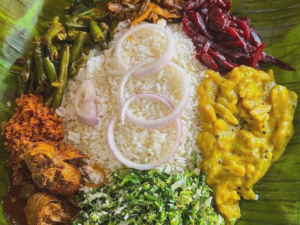
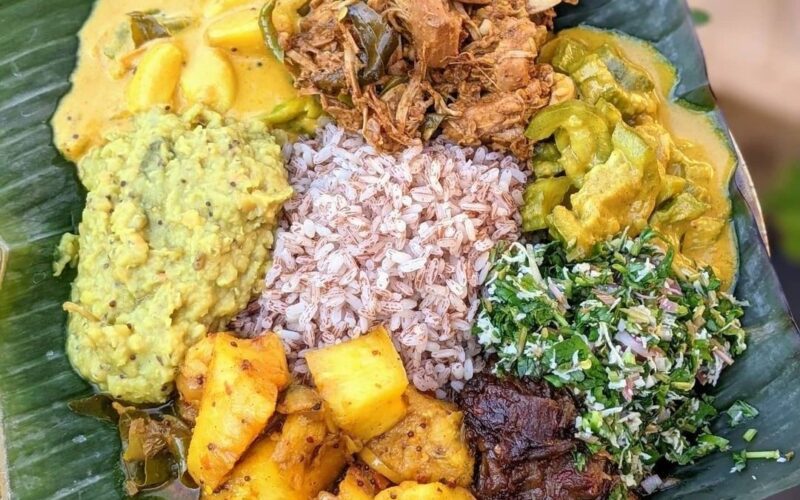
At the center is rice — generous, grounding, essential. Around it are curries, sambols, and sides, each playing a role.
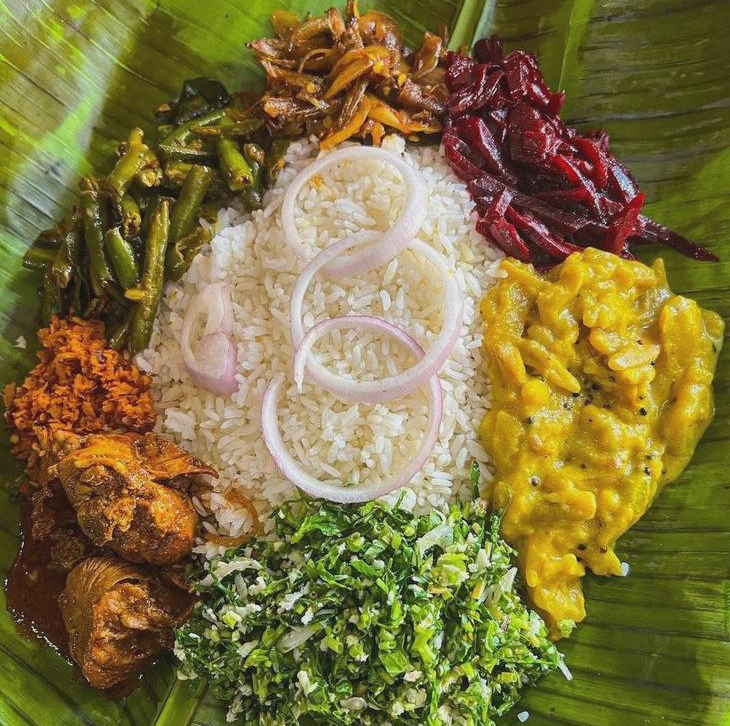
A typical plate may include:
- Steamed rice
- One main protein curry (Chicken, Fish, Egg, Pork or Beef)
- Several vegetable curries
- Dhal (lentil curry)
- Sambol or pickle
- Mallum
- Papadam
The magic isn’t complexity. It’s balance of flavor, texture, and nourishment.
The Soul of Sri Lankan Cooking: Coconut & Spices
What truly separates Sri Lankan Rice & Curry from other Asian cuisines is how coconut and spices are used.
Sri Lankan cooking relies heavily on:
- Fresh coconut milk
- Roasted curry powders
- Garlic, ginger, cardamon and curry leaves
- World-famous Ceylon cinnamon
The result is food that feels:
- Rich but not heavy
- Spiced but not aggressive
- Comforting, never overpowering
Many visitors say the same thing after their first few meals:
“Sri Lankan food feels warmer — like it’s cooked with intention.”
The Main Curries (Proteins)
Chicken Curry
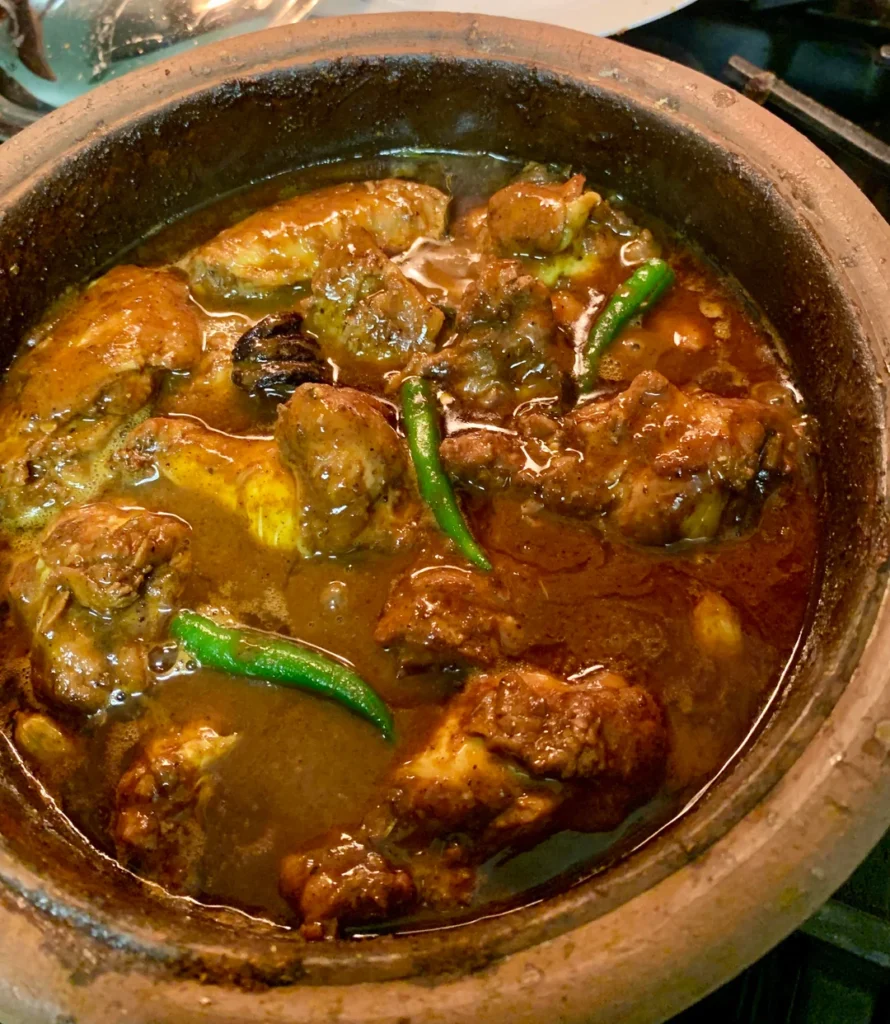
Slow-cooked with coconut milk and layered spices and herb, Sri Lankan chicken curry is deep and aromatic. It isn’t rushed. It’s cooked to absorb flavor, not just heat.
Fish Curry
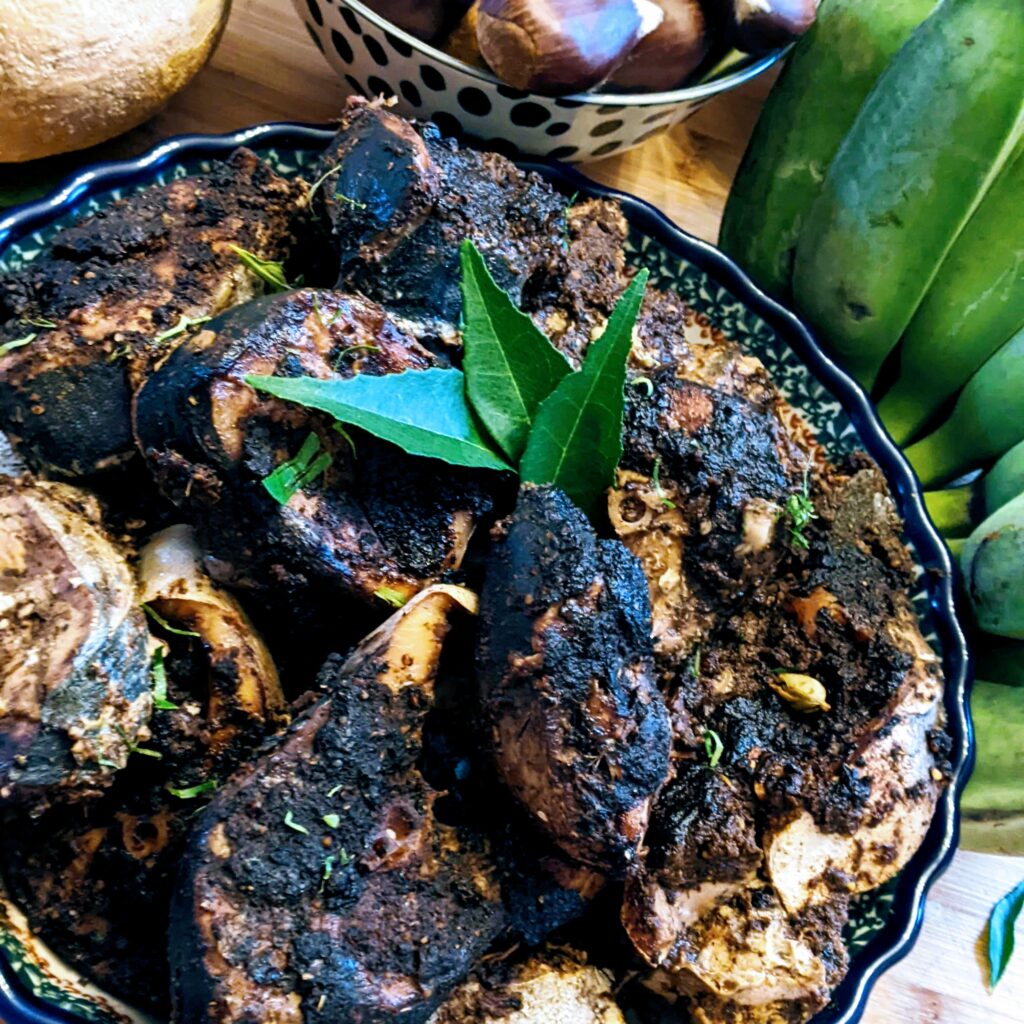
Fish curry changes dramatically by region:
- Sour fish curries using goraka (Ambul Thiyal)
- Creamy coconut-based coastal curries
- Dark, peppery dry fish curries
Each version reflects Sri Lanka’s geography, climate, and tradition. If you’re traveling along the southern coast, don’t miss Fish Ambul Thiyal, a signature sour fish curry.
We also recommend trying Sri Lankan prawn curry made with creamy coconut milk, a favorite coastal dish.
Black Pork Curry
A favorite among locals and adventurous travelers.
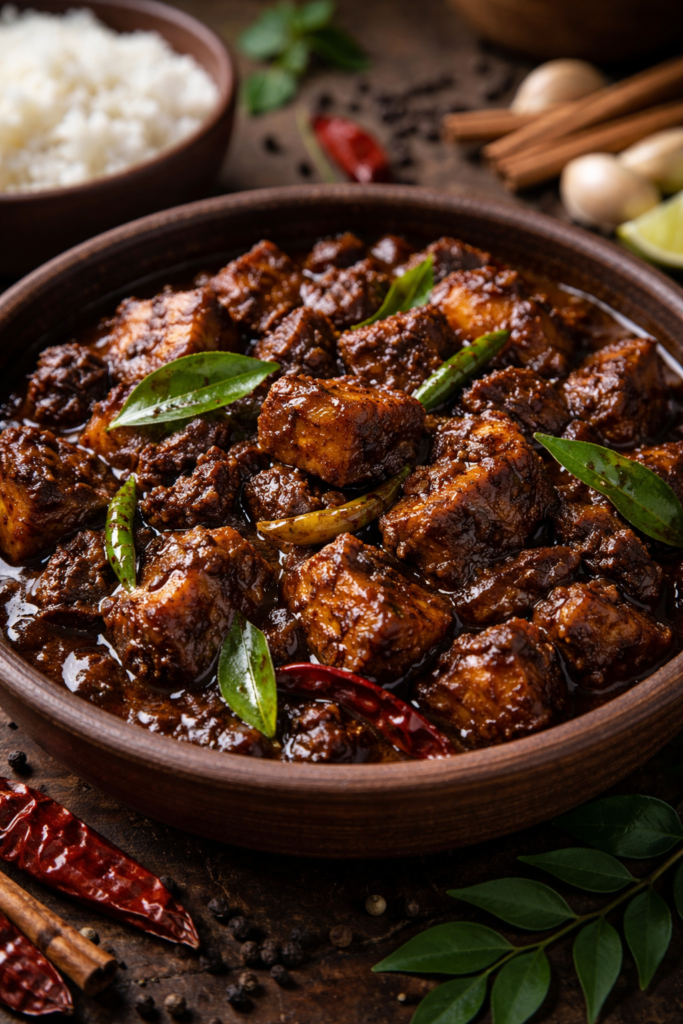
Cooked slowly with:
- Black pepper
- Roasted spices
- Tamarind or vinegar
It’s bold, intense, and unforgettable.
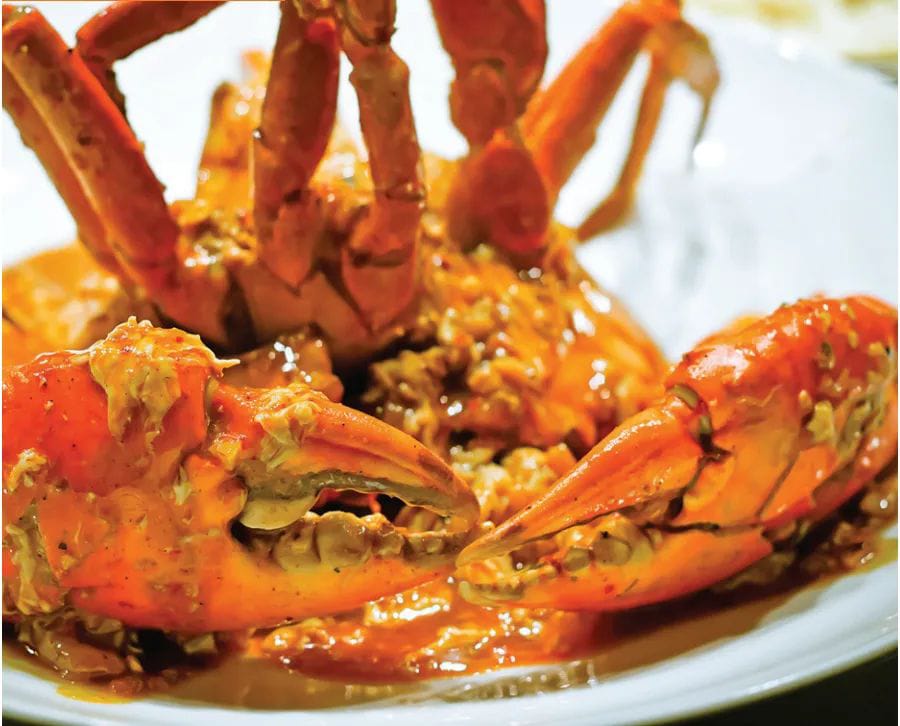
Mud Crab Curry
Often considered one of the finest seafood curries in Asia. Rich coconut milk, spices, and massive lagoon crabs turn this into a luxury dish messy, indulgent, and deeply satisfying. It’s a dish that make your hands dirty and mouth crave.
The Supporting Curries (Where the Magic Happens)
This is where Sri Lankan Rice & Curry truly stands apart.
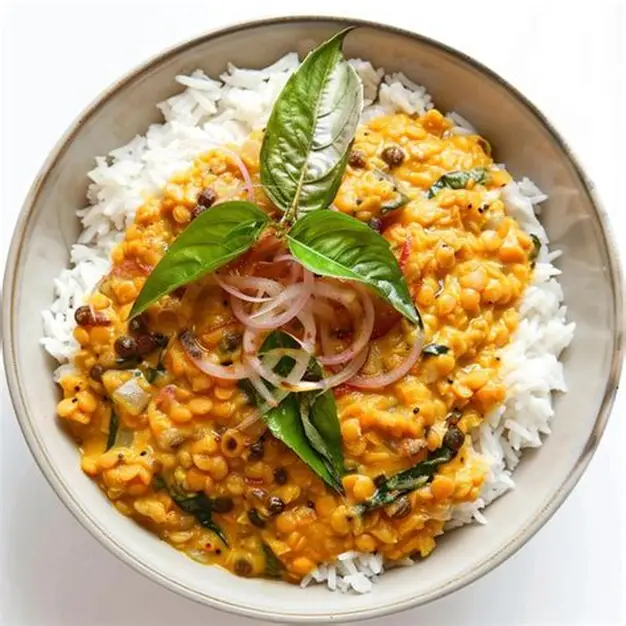
Dhal Curry
Dhal curry may be the most eaten curry in Sri Lanka, appearing at breakfast, lunch, and dinner alike. Simple lentils simmered in coconut milk and gentle spices create a dish that softens bolder flavors and wins visitors over with its warmth and quiet simplicity.
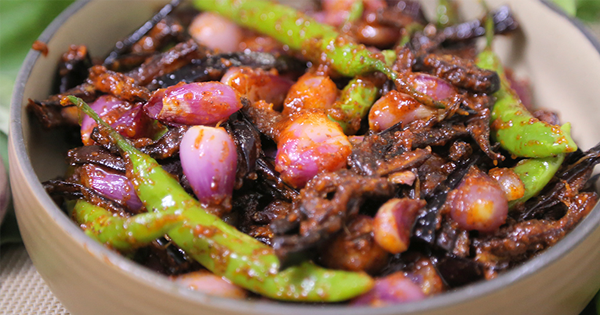
Brinjal Moju (Wambatu Moju)
Sweet, sour, slightly spicy fried eggplant.
Unexpected for many travelers and often the dish they remember most.
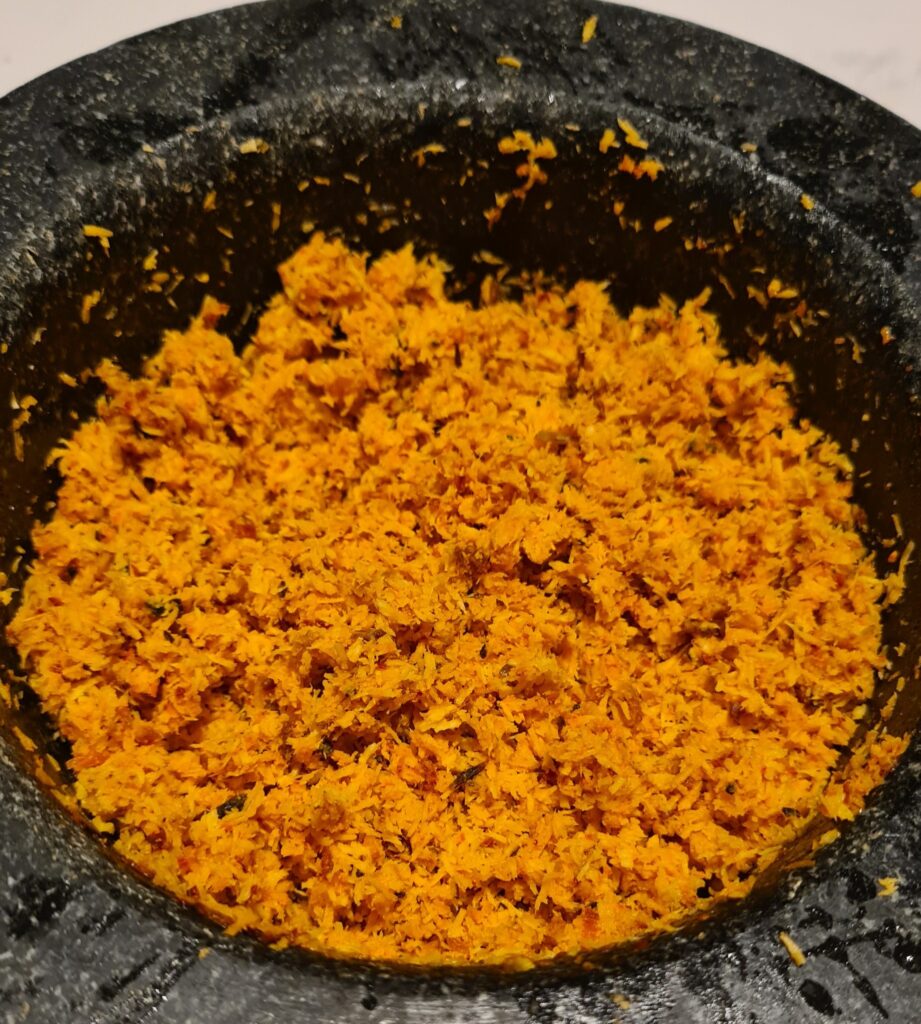
Pol Sambol
Pol Sambol may be the mother of Sri Lankan dishes. One of the simplest and easiest preparations in the cuisine, it’s made from freshly grated coconut mixed with chili flakes, lime, Maldive fish, and onion.
Humble yet powerful, it brings richness to even the simplest meal. Once you try it, you’ll want it with every plate of rice.
Is Sri Lankan Rice & Curry Spicy?
Yes, authentic Sri Lankan Rice & Curry is spicy. Sri Lankans love to east spicy food. But there are lot of variants of Sri Lankan curries which are not spicy specially milk curries and sweet dishes like batu moju not spicy.
However in lot of tourist areas in Sri Lanka restaurants served tourist friendly less spicy dishes. Often you will be asked weather you like to choose your meal spicy or non spicy. Spicy or not Sri Lankan foods are enjoyed by many and loved by millions around the world.
What travelers should know:
- Spice levels are easily adjusted
- Coconut milk naturally softens heat
- Many curries are aromatic rather than fiery
How Sri Lankans Eat Rice & Curry
Rice & Curry is usually:
- Shared
- Served in generous portions
- Eaten with the right hand
Eating with your hand isn’t required but many travelers try it and say it makes the food taste better. There’s a rhythm to it, a connection you don’t get with cutlery.
Why Sri Lankans Love to Eat with Their Hands
For many Sri Lankans, this habit begins in childhood. Mothers gently feed their children rice and curry by hand, shaping small rice balls warmed by their fingertips. For many locals, this is one of the earliest memories of care, comfort, and home.
Beyond nostalgia, there is also belief and intention behind it.
Sri Lankans traditionally believe that:
- Touching food helps you feel its temperature and texture
- The warmth of your hand creates a deeper connection with the meal
- Mixing curries by hand creates balance in every bite
- Eating becomes slower, more mindful, and more satisfying
The right hand is used out of respect, while the left is traditionally avoided. Many locals also believe that eating by hand.
- Improves digestion
- Encourages portion awareness
- Creates a closer relationship with food
For visitors, this is always optional. Cutlery is widely available across Sri Lanka.
But if you feel comfortable, we recommend trying it at least once during your journey.
Most travelers say the same thing afterward
“It feels more real and the food tastes better.”
Why Foreigners Fall in Love with Sri Lankan Rice & Curry
Most travelers arrive without expectations. Then they say things like:
- “I didn’t expect this much variety.”
- “Every meal tastes different.”
- “I miss Sri Lankan food after leaving.”
That’s because Rice & Curry is:
- Personal
- Home-style
- Cooked with care, not shortcuts
It’s food that stays with you long after the trip ends.
Final Thoughts for Travelers
Sri Lankan Rice & Curry isn’t designed to impress Instagram. It’s designed to feed, comfort, and connect.
If you truly want to understand Sri Lanka its people, its rhythm, and its warmth start with Rice & Curry.
For more deep Sri Lankan food stories, local insights, and thoughtful travel guides, explore more on Ella Hype.