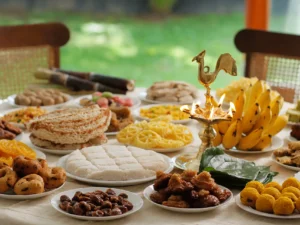




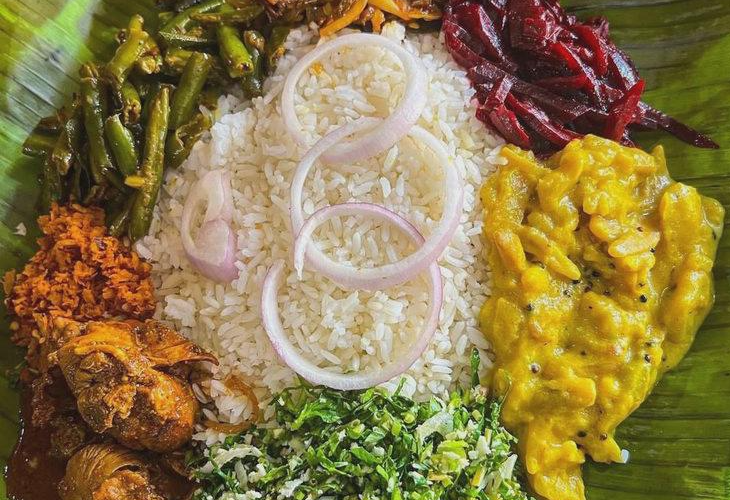
Sri Lankan food is one of Asia’s most underrated culinary traditions.
It doesn’t shout like Thai food.
It doesn’t brand itself like Japanese cuisine.
But once someone truly experiences Sri Lankan food, they crave it for life.
But Why?
Because Sri Lankan cooking is built on heart, coconut milk, slow cooking, and some of the finest spices in the world especially Ceylon cinnamon. This isn’t fast food culture. This is food that carries memory, comfort, and identity.
For first-time visitors in 2026, this guide introduces the true soul of Sri Lankan food culture, not just a list of dishes.
1. Rice & Curry: The Heart of Sri Lankan Cuisine
Just like Indonesia has Nasi Lemak, Sri Lanka has Rice & Curry but it’s far more complex.
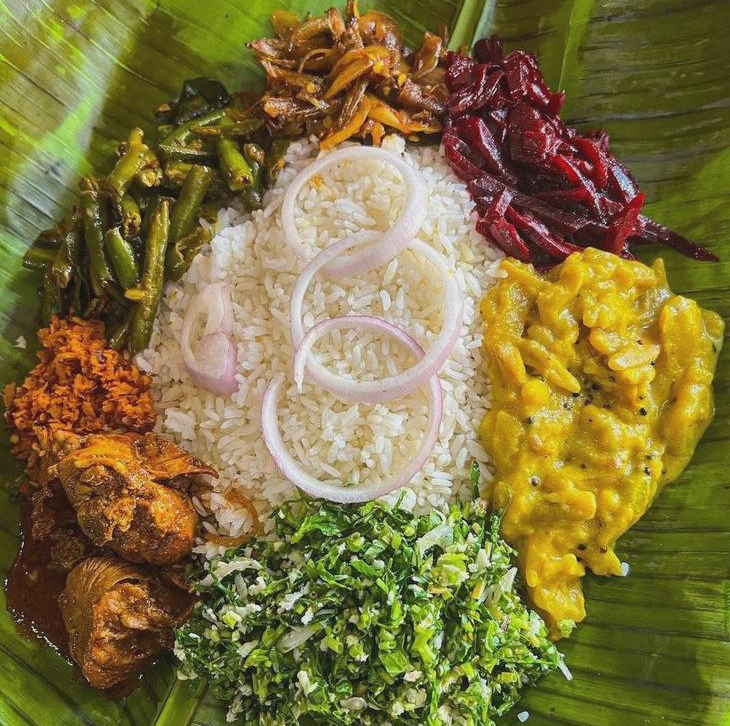
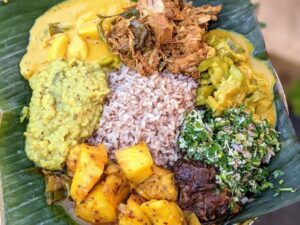
A Sri Lankan rice & curry plate is not one dish. It’s a balanced experience.
A typical meal includes:
- Steamed rice
- One main curry (chicken, fish, pork, beef, egg or crab)
- Multiple vegetable curries
- Dhal (lentil curry)
- Sambols and pickles
Every household cooks it differently.
Every region has its own flavors.
That’s why no two rice & curry meals ever taste the same. To get to know more about Sri Lankan Rice & Curry is special read our article Sri Lankan Rice & Curry Explained.
2. Sri Lankan Chicken Curry
Rich, aromatic, and slow-cooked with coconut milk and roasted spices, Sri Lankan chicken curry is deeply flavorful, not just spicy.
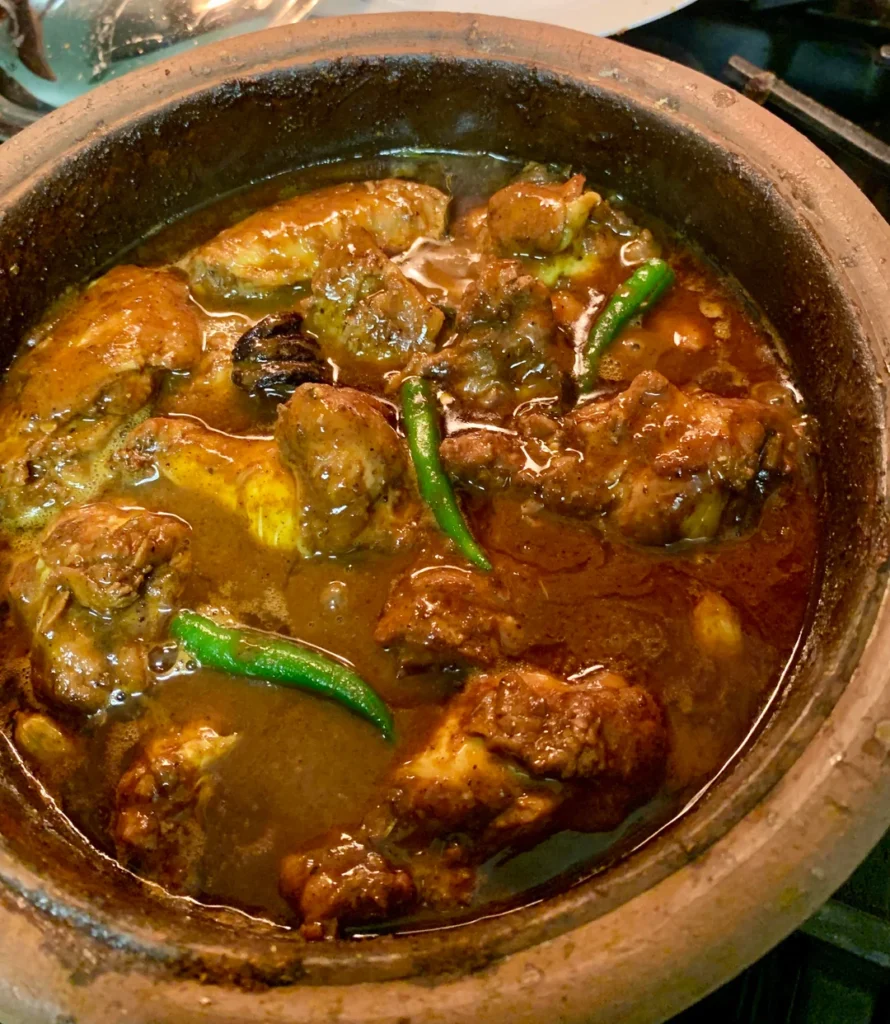
First timers often say it tastes:
- Warmer
- Fuller
- More comforting
than other Asian chicken curries.
Sri Lankan chicken curry goes with rice, string hopers, bread, kottu and many other dishes. It’s one of the local’s favourite.
2. Black Pork Curry (A Sri Lankan Favorite)
This is one of the most loved dishes by adventurous travelers.
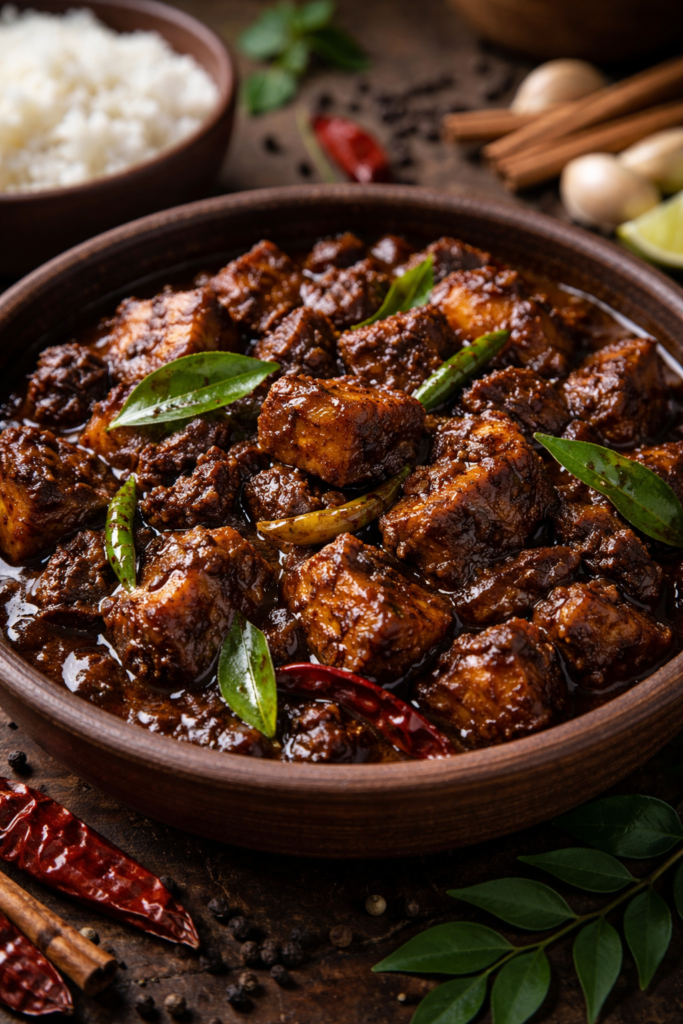
Cooked slowly with:
- Black pepper
- Roasted curry powders
- Tamarind or vinegar
It’s bold, dark, and unforgettable especially popular in the hill country and southern regions.
3. Fish Ambul Thiyal (Sour Fish Curry)
This is a dish foreigners remember forever.
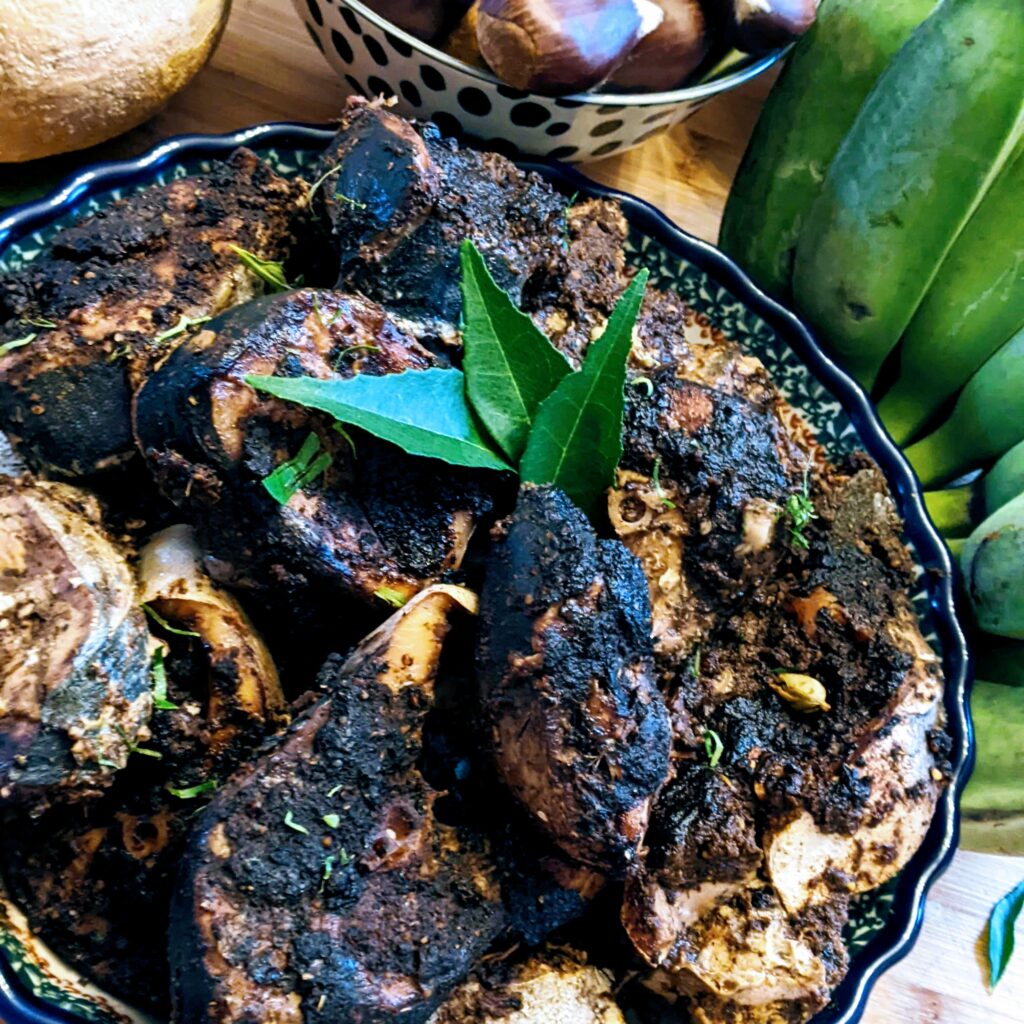
Fish Ambul Thiyal is made using:
- Tuna
- Goraka (a natural sour fruit)
- Black pepper and spices
No coconut milk. No gravy.
Just intense flavor and preservation tradition.
It’s uniquely Sri Lankan you won’t find anything like it elsewhere.
4. Sri Lankan Dhal Curry
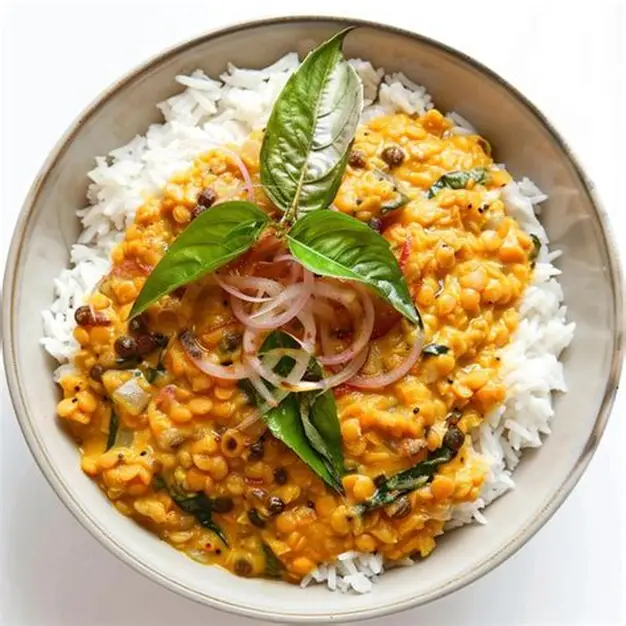
Simple, humble, and essential.
Made with:
- Red lentils
- Coconut milk
- Mild spices
People often underestimate dhal because it’s a simple dish, until they taste it with rice and coconut sambol. It’s comfort food at its best.
5. Brinjal Moju (Wambatu Moju)
This sweet and sour eggplant dish surprises many visitors.
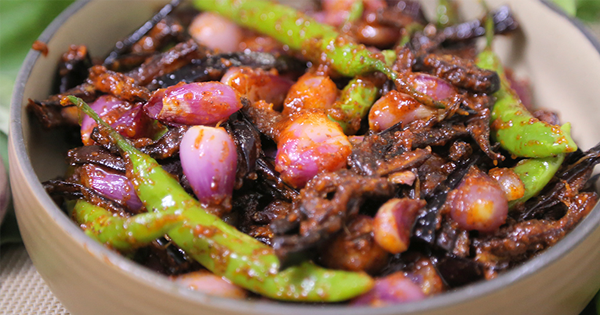
Fried brinjal mixed with:
- Vinegar
- Sugar
- Onions and spices
It balances rich curries perfectly and is a hidden gem of Sri Lankan cuisine.
6. Mud Crab Curry (World-Class Dish)
Sri Lankan mud crab curry is internationally respected, especially in coastal areas.
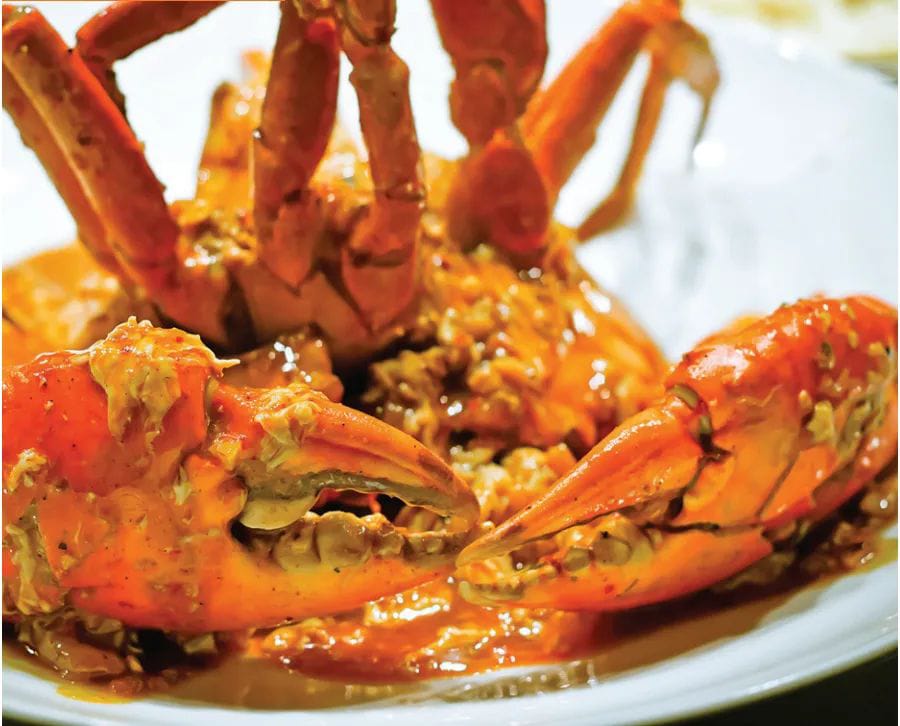
Cooked with coconut milk and spices, it’s:
- Rich
- Messy
- Luxurious
Many travelers rate it among the best seafood curries in Asia.
7. Prawn Curry
Sri Lankan prawn curry is softer and creamier than many Southeast Asian versions.
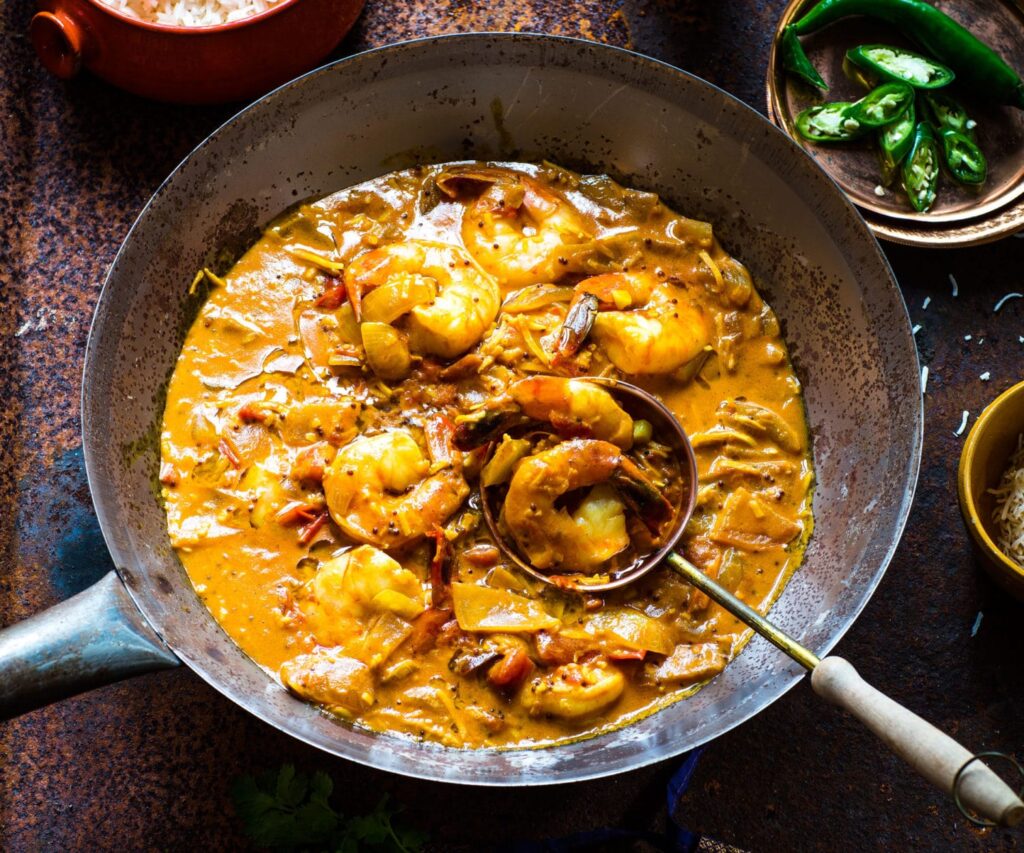
The coconut milk, spices, and gentle heat make it:
- Flavorful without overpowering
- Perfect with rice or roti
8. Curd & Kithul Treacle or Coconut Honey
Curd and kithul treacle is one of the most authentic Sri Lankan desserts, and a combination many travelers unexpectedly fall in love with.
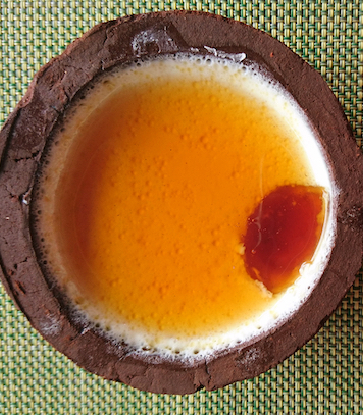
The curd usually made from fresh buffalo milk has a naturally mild, slightly sour taste. When paired with kithul treacle, a natural palm honey, it creates a perfect balance of flavors.
This dessert is:
- Light
- Refreshing
- Naturally sweet
Many visitors describe it as one of the most memorable desserts they try in Sri Lanka simple, honest, and deeply local.
Tip: Ask for fresh curd and pure kithul treacle. Quality matters with this dish.
9. Pol Sambola (Coconut Sambol)
Pol sambol is often considered the heart of Sri Lankan culinary culture. It is one of the simplest dishes in the country, traditionally prepared in just a few minutes, yet deeply rooted in everyday Sri Lankan life.
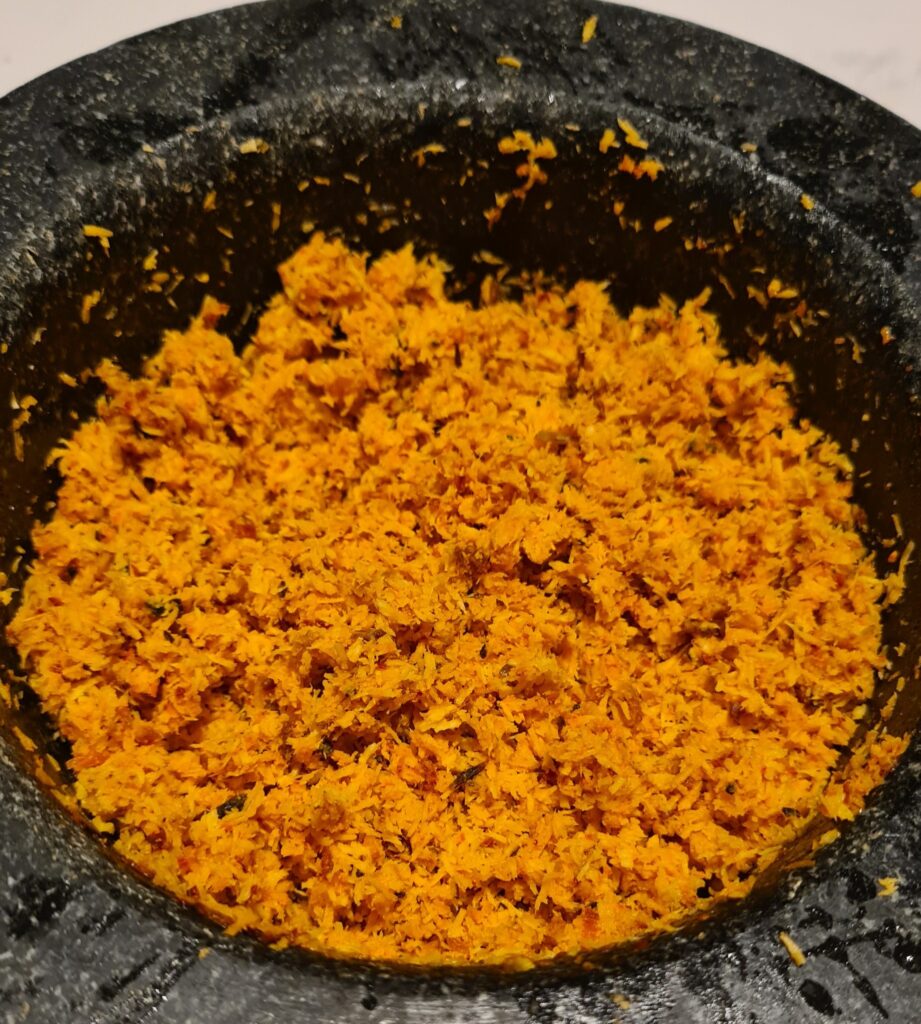
Made with freshly grated coconut, chili, lime, onion, and a small amount of Maldive fish flakes, pol sambol delivers a bold combination of heat, freshness, and flavor. The result is a sambol that is fiery, vibrant, and highly addictive.
Served alongside rice and curry, hoppers, string hoppers, or coconut roti, pol sambol is not just a side dish it is a staple that defines how Sri Lankans eat.
10. Kottu Roti (The Iconic Street Food)
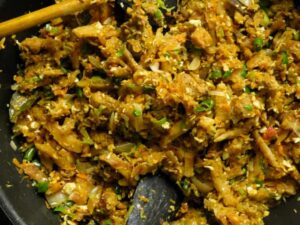
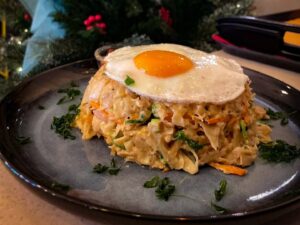
Kottu is noisy, chaotic, and deeply Sri Lankan a food that carries strong nostalgia for many Sri Lankans.
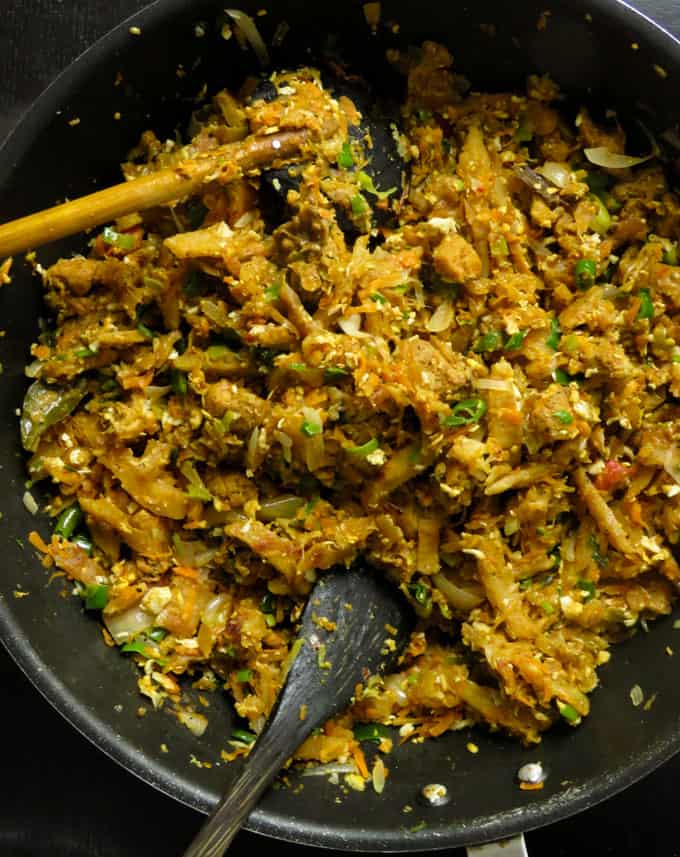
Made by chopping roti with vegetables, eggs, and meat on a hot metal plate, the rhythmic sound of the blades is often what draws people in before the smell does. Watching kottu being prepared is part of the experience.
For many travelers, kottu quickly becomes their favorite late-night street food.
It’s flavorful, filling, and uniquely local.
Tip: Kottu is a heavy and generous meal, so be mindful of portion sizes when ordering especially if you’re not used to rich street food.
Why Sri Lankan Food Hits So Different
Sri Lankan food stands out because:
- Coconut milk is used generously
- Spices are layered, not rushed
- Ceylon cinnamon adds warmth, not heat
- Food is cooked with care, not shortcuts
It’s not designed to impress it’s designed to nourish.
Why Foreigners Fall in Love with Sri Lankan Food
Many visitors say:
I didn’t expect Sri Lankan food to be this good.
That’s because Sri Lankan cuisine is quietly powerful. Once you taste it, it stays with you.
Final Words for Travelers
Sri Lankan food is not just something you eat during your trip it becomes something you miss after you leave.
If you truly want to understand Sri Lanka, start with its food. For more deep Sri Lankan food guides, Ella travel stories, and local experiences, explore more on EllaHype.